
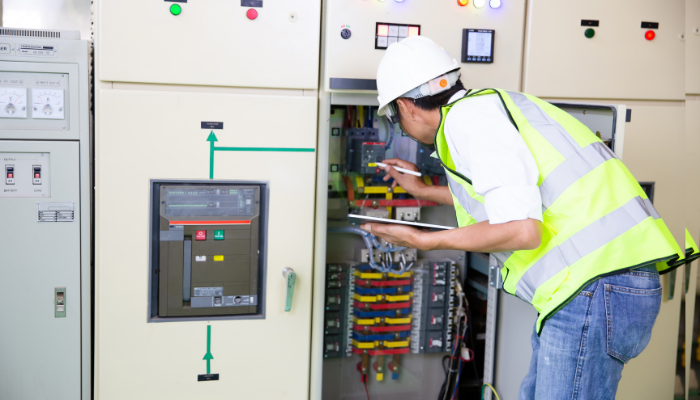
Proper care of a DG Synchronizing panel is an important part of managing backup power systems in factories, commercial buildings, hospitals, and other facilities that depend on generators. A synchronizing panel coordinates the operation of multiple diesel generator sets, allowing them to operate together when the system is designed for parallel operation. Regular maintenance helps identify worn components, loose connections, control issues, and other problems before they interrupt normal operations.
For facilities where power interruptions can affect production schedules or essential equipment, a planned maintenance routine is more practical than waiting for a fault to occur. Understanding what to inspect, how frequently to test the system, and when to involve a qualified technician can help facility managers maintain consistent operating conditions.
Why Regular Maintenance of DG Synchronizing panel Matters
A DG Synchronizing panel brings together electrical protection, generator controls, monitoring instruments, and switching equipment into a single unified system. Each component must function correctly for the overall setup to operate as intended. Neglecting even a single part can disrupt generator coordination or create critical failures during a power transfer.
Preventive maintenance also gives facility teams an opportunity to identify developing issues early, keep accurate service records, and plan component replacements efficiently. Instead of relying on emergency repairs, facilities can schedule regular inspections around operating requirements and significantly reduce the risk of unexpected downtime.
Essential Maintenance Checks for Synchronizing Panels
A structured inspection should cover the panel’s physical condition, electrical connections, control functions, and protective devices. The following checks provide a practical starting point for a maintenance schedule.
- Visual inspection: Check the enclosure for dust accumulation, moisture, corrosion, unusual discoloration, and signs of overheating.
- Electrical connections: Have a qualified technician inspect terminals, busbars, and cable connections for looseness or heat damage. Tightening should follow the manufacturer’s specified torque values.
- Control components: Examine relays, contactors, breakers, indicators, and control wiring for visible wear or abnormal operation.
- Cooling and ventilation: Check ventilation openings, filters, and the surrounding area to ensure that airflow is not obstructed.
- Monitoring instruments: Verify that meters, alarms, status indicators, and relevant sensors provide appropriate readings.
Inspections should follow the manufacturer’s instructions and the site’s electrical safety procedures. Before internal work begins, the equipment must be placed in a safe condition using the appropriate isolation and lockout procedures.
Testing Synchronization and Protection Functions
Physical inspections alone cannot guarantee proper operation. Functional testing of the DG Synchronizing panel is essential to verify that its control system responds accurately under changing electrical loads and conditions.
A qualified technician must assess the panel’s ability to check voltage, frequency, phase sequence, and phase-angle parameters before permitting generators to connect in parallel. Load-sharing controls must also be tested to ensure even power distribution.
Additionally, protection functions, trip circuits, and safety alarms require periodic verification per manufacturer standards. All tests should be documented, and any detected anomalies must be fully resolved before returning the panel to active service.
Choosing Suitable Industrial Panel Support
When selecting a DG Synchronizing panel or planning its maintenance, consider the number and capacity of generators, the required control functions, protection arrangements, operating environment, and availability of technical support. Clear documentation and access to suitable replacement components can also simplify servicing.
Mahendra Industries offers industrial electrical panel solutions,designed for seamless generator parallel operation. Before choosing a solution, facility managers should confirm that the panel’s specifications, control features, and protection arrangements match their installation requirements.
Quick Answer :
What Keeps a DG Synchronizing Panel Reliable?
Reliable operation depends on scheduled inspections, secure electrical connections, correctly functioning controls, verified protection settings, and documented testing. Maintenance must be performed by qualified personnel using manufacturer-approved procedures. Any unresolved fault should be investigated before the system is placed back into service.
FAQs
How often should a synchronizing panel be inspected?
Inspection frequency depends on manufacturer guidance, operating conditions, and usage. Follow the prescribed maintenance schedule and increase inspection frequency when environmental conditions require it.
Why is synchronization testing important?
It helps verify that generator voltage, frequency, and phase conditions are suitable for parallel operation before the breakers close.
Who should maintain a synchronizing panel?
Qualified electrical technicians familiar with generator controls, protection systems, and the equipment manufacturer’s procedures should carry out maintenance and functional testing.
Plan Your Panel Maintenance
A consistent maintenance routine helps facility teams identify faults, document equipment condition, and prepare for scheduled servicing. Review your existing inspection process and address any gaps before the next planned shutdown.
For reliable operation and suitable maintenance support, connect with Mahendra Industries to discuss your requirements and find a solution that fits your industrial power system.