
What Safety Standards Should an Electrical Control Panel Meet?
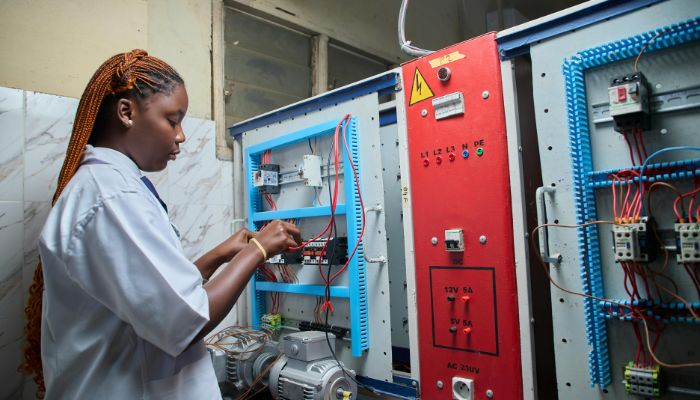
Safety is super important when you’re designing, making, and setting up an Electrical Control Panel. These panels control machines and power in industries, which is huge.
At Mahendra Industries, we focus on safety and quality when we create panel solutions for different uses. If businesses understand the control panel standards, they can make smart choices and keep their operations running smoothly.
Why Safety Standards Matter
Industrial facilities need control systems to handle electrical gear efficiently. When a panel follows set standards, it helps cut risks from electrical issues, wrong wiring, overheating, and failing equipment.
Meeting these safety rules means the system was built using solid engineering practices. This boosts consistent operations and helps companies meet what the industry demands.
Important Safety Standards for Control Panels
IEC Standards
The International Electrotechnical Commission creates worldwide standards for electrical gear. These cover design, build, test, and performance specs. Companies frequently use them to make sure their products handle industrial settings and hit global standards too.
IS Standards in India
The Bureau of Indian Standards sets rules for electrical stuff in India. Following these standards makes sure the products are good, reliable, and safe.
Companies should check that their control systems meet local standards before using them in India.
Proper Enclosure Protection
The enclosure of an Electrical Control Panel should be selected based on the operating environment. Protection ratings help determine resistance to dust, moisture, and external elements.
For example:
- Indoor applications may require standard protection levels.
- Outdoor installations often need enhanced environmental protection.
- Dusty industrial areas may require specialized enclosures.
Choosing the appropriate enclosure helps maintain system integrity and supports long-term performance.
Short Circuit Protection
Electrical systems should include suitable protective devices to manage abnormal conditions. Proper protection measures help safeguard equipment and reduce the impact of unexpected electrical events.
Components should be selected according to the system’s voltage, current, and operational requirements.
Grounding and Earthing
Grounding is super important for panel safety. It gives fault currents a safe path and keeps the whole setup secure.
Regulations and engineering advice should be followed when setting up grounding systems, though. That way, everything stays legal and safe.
Design Considerations for Safe Operation
Safety begins during the design stage. A well-engineered Electrical Control Panel should include:
- Organized component layout
- Clear labeling and identification
- Adequate ventilation
- Suitable cable management
- Accessible maintenance points
- Proper spacing between components
These design practices help improve usability and simplify maintenance activities.
Importance of Quality Components
The reliability of a panel heavily depends on the quality of its parts. Switches, breakers, relays, contactors, terminals, and wiring accessories need to come from trustworthy manufacturers.
Quality components keep performance consistent and help meet industry standards too.
At Mahendra Industries, they carefully choose each component to offer reliable solutions for industrial uses.
Testing and Inspection Requirements
Before an Electrical Control Panel can be used, it needs proper tests and inspections. This ensures that it’s put together right and works as intended.
Some typical things checked are:
- Visual inspection
- Wire checking
- Insulation tests
- Function checks
- Safety reviews
- Docs check
Doing regular checks after setup keeps everything reliable long-term too.
Documentation and Labeling
Accurate documentation is an important part of safety compliance. Clear records help operators, technicians, and maintenance personnel understand the system configuration.
Important documentation may include:
- Circuit diagrams
- Equipment specifications
- Operating instructions
- Maintenance guidelines
- Safety notices
Proper labeling within an Electrical Control Panel also improves identification and supports efficient troubleshooting.
The Role of Preventive Maintenance
Even the best-designed panel requires routine maintenance. Scheduled inspections help identify wear, loose connections, dust accumulation, and other issues before they affect operations.
A preventive maintenance program may include:
- Visual inspections
- Cleaning procedures
- Connection checks
- Functional verification
- Replacement of worn components
Regular maintenance contributes to long-term performance and operational stability.
Key Features of a Safe Control Panel
- Compliance with relevant industry standards
- Durable and robust enclosure design
- Proper grounding and earthing provisions
- Organized wiring and cable management
- Clear component labeling
- Quality electrical components
- Adequate ventilation and heat management
- Reliable protection systems
- Thorough testing and inspection procedures
- Easy maintenance accessibility
Conclusion
Meeting recognized safety standards is essential for any industrial control system. From proper enclosure selection and grounding practices to testing, documentation, and maintenance, every aspect contributes to reliable performance. A professionally designed Electrical Control Panel helps organizations operate efficiently while supporting safety and compliance objectives.
With a commitment to quality engineering and dependable solutions, Mahendra Industries focuses on delivering control panel systems that align with industry requirements and support the diverse needs of modern industries.
FAQs
1. Why are safety standards important for control panels?
Safety standards provide guidelines for design, manufacturing, installation, and testing, helping ensure reliable and safe operation.
2. What is the purpose of enclosure protection ratings?
Enclosure ratings indicate the level of protection against dust, moisture, and environmental conditions.
3. How often should control panels be inspected?
Inspection frequency depends on the application and operating environment, but regular preventive maintenance is generally recommended.
4. Why is proper grounding important?
Grounding helps support electrical safety by providing a controlled path for fault currents and protecting equipment.
5. What should businesses look for when selecting a control panel manufacturer?
Businesses should consider engineering expertise, quality standards, testing procedures, component quality, and industry experience when choosing a supplier such as Mahendra Industries.